
Foundation
Readiness, your rights as a handler, reading your dog, and the shared language that makes practice easier to repeat.
Professional online instruction
A structured foundation in the skills that shape daily life with your dog — from attention and leash habits to trained calm and the tasks of a working partnership.
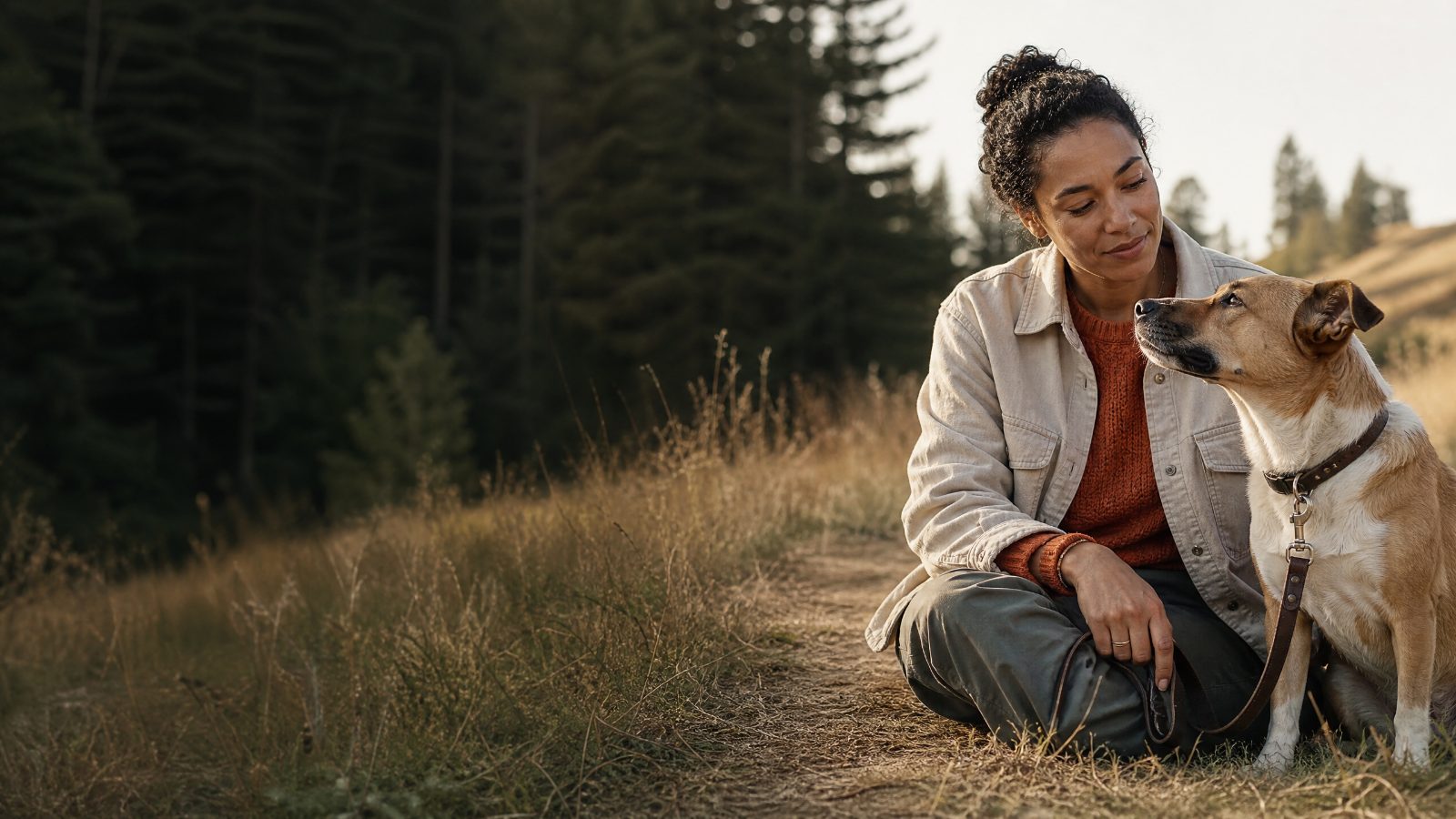
Program focus
The workingThe Academy approachA deliberate curriculum for everyday application.
The program
Good dog training lives in the hours outside a lesson. The Academy approach breaks each skill into a considered sequence so it can be understood, practiced, and returned to when the day asks for it.
How the method worksReadiness, your rights as a handler, reading your dog, and the shared language that makes practice easier to repeat.
Manners, focus, and trained calm applied to the ordinary moments at home, at the door, and around distraction.
Carry the same calm framework into task training and the public settings that ask for more consistency.
Now enrolling
$329 · one-time payment · lifetime access
The method
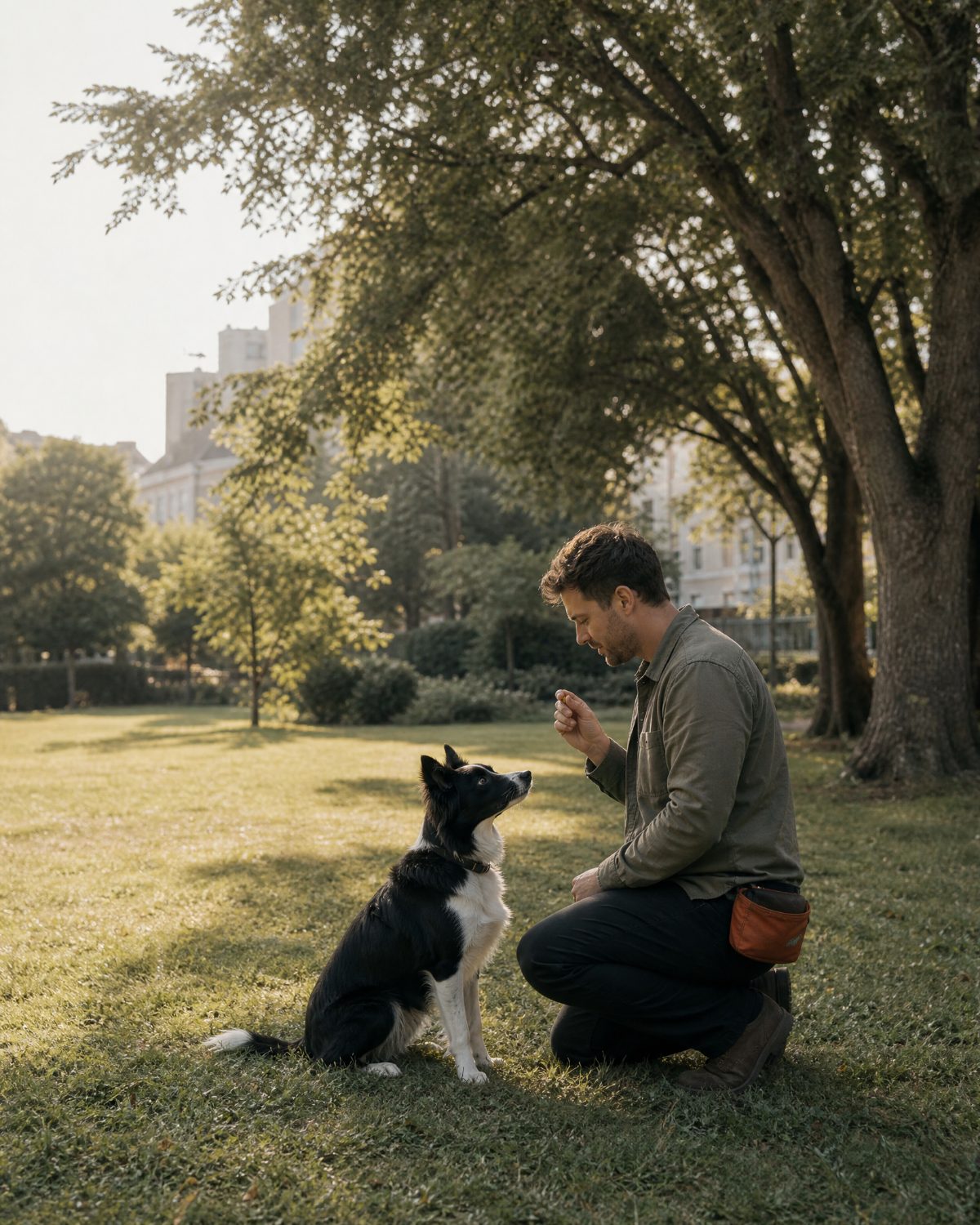
Rather than asking you to overhaul everything at once, each lesson has a defined purpose: what to notice, what to practise, and how to make that work more useful in the next setting.
The curriculum
A connected sequence of 34 lessons — video demonstrations, written guides, and short quizzes — presented in the order that makes them easier to carry into daily life.
An honest readiness assessment for handler and dog before the work begins.
The questions businesses may ask, and calm, prepared ways to answer them.
Recognize stress, arousal, and relaxation before you ask your dog to work.
How dogs actually learn — markers, timing, and the core teaching techniques.
Sit, down, recall, place, hand targets, and attentive leash walking.
Teach relaxation as a skill your dog can carry into any environment.
Deep pressure, retrieval, interruptions — trained with care, step by step.
A graduated outing plan that takes the work into everyday settings.
A syllabus should give you direction without turning your dog into a project. Return to the module that supports the moment in front of you.
Designed for ordinary days
The useful work often happens between appointments, errands, visitors, and walks. The course keeps the language direct and the practice grounded in the routines you share with your dog.
What the Academy values
Each module is framed around one practical theme, so the next action is never hard to locate.
The course is designed around focused practice sessions that sit naturally within an ordinary week.
The tone remains patient, consistent, and useful — without pressure to perform or rush the process.
The wider world
Not with a promise of perfection. With a more helpful way to understand the moment, choose the next cue, and move forward together.
Explore the program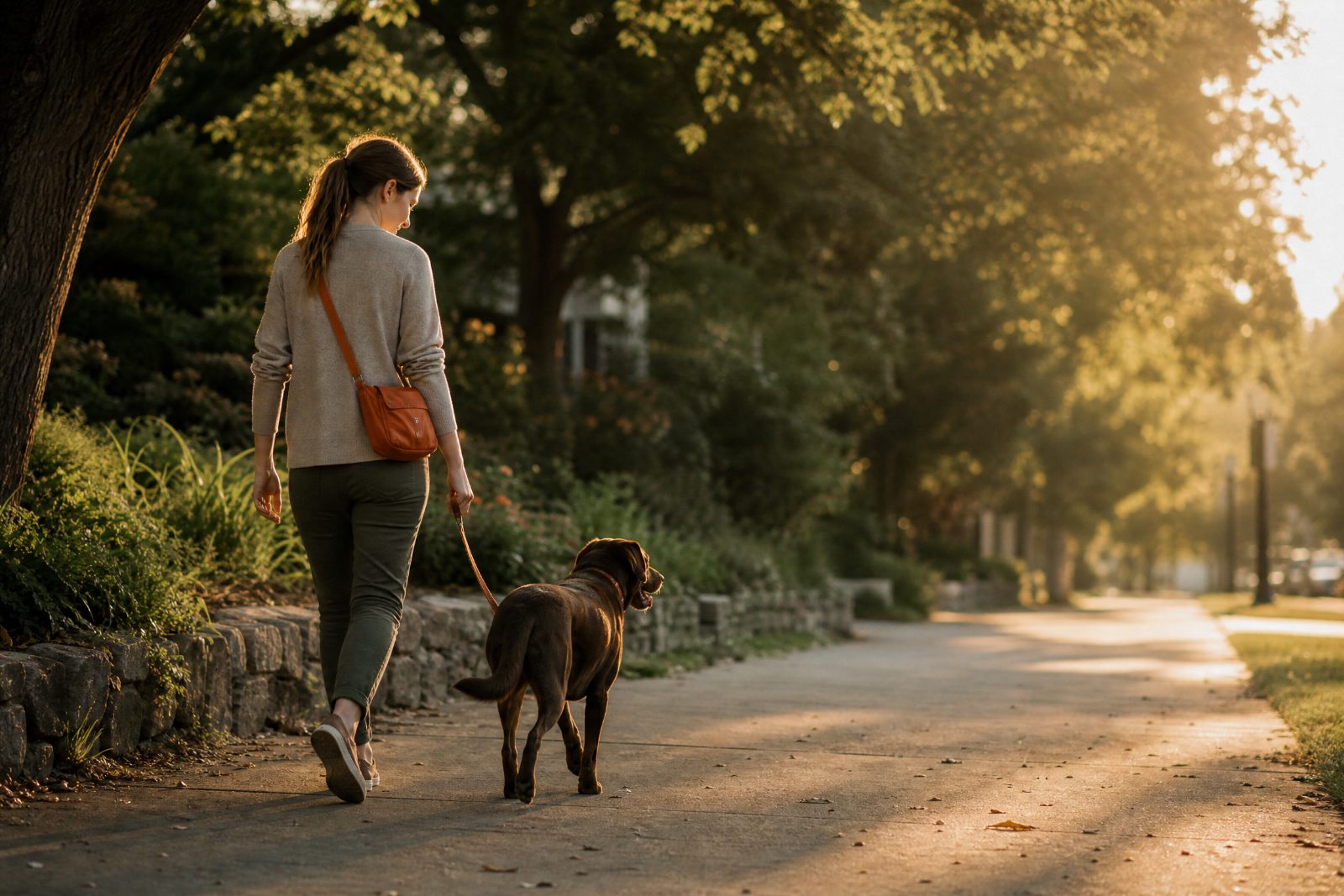
Questions
The essentials on how the program is organised and how to start. Anything else — write to the Academy and we'll answer directly.
Owners who want a structured, self-paced way to train their own dog — beginning with foundational manners and focus, and continuing through psychiatric service dog task work. The first module includes an honest readiness assessment for both handler and dog; dogs showing aggression or severe fear should work with a qualified professional first.
Eight connected modules and 34 lessons — about 5+ hours of instruction, designed to sit alongside short daily practice sessions. Lessons combine video demonstrations, written guides, practice audio, and short quizzes, in the order that makes each skill easier to carry into daily life.
No. The curriculum starts with how dogs learn and how to use a marker, and every hands-on skill is broken into small, repeatable steps. Progress at your own pace and return to any lesson whenever the day asks for it.
Create an account to enter the Academy portal. Your dashboard keeps your place, tracks the lessons you have completed, and always points to a clear next step.
Canine Training Academy